
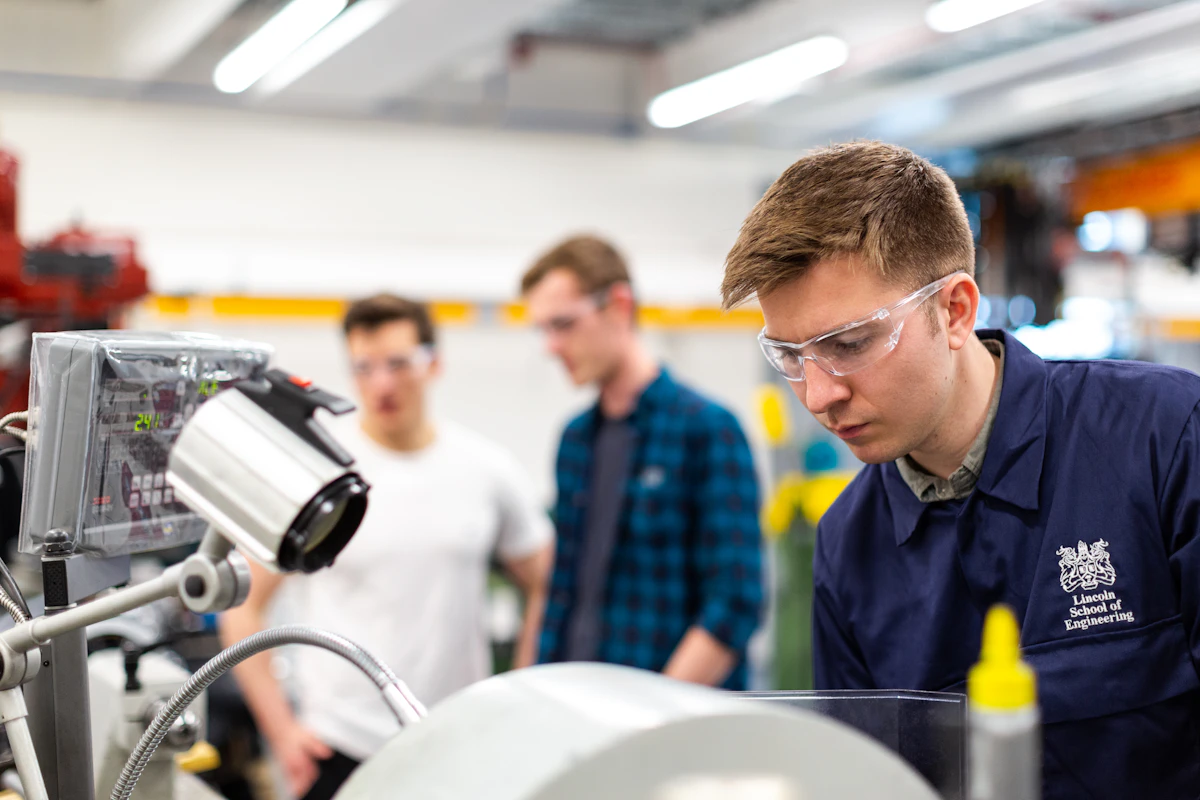
The Evolution of Modern CAD/CAM Dental Laboratories
Digital dentistry has transformed dental laboratory production. High-speed 5-axis dry and wet milling machines, 3D resin printers, and optical intraoral scanners require automated digital intake workflows to operate at peak capacity.
5 Stages of Automated CAD/CAM Lab Production
1. Digital STL File Intake & Validation
Intraoral optical scans (.stl / .ply) arrive directly from partner clinics. Automated validation checks margin integrity, prep clearance, and occlusion space.
2. 3D Computer-Aided Design (CAD)
Dental technicians design anatomical crown contours, contacts, and emergence profiles in exocad or 3Shape CAD software.
3. Disc Nesting & 5-Axis Milling
CAM software nests designs inside high-translucency multilayer zirconia discs or PMMA blocks for optimized material yield during 5-axis milling.
4. High-Temperature Sintering & Glazing
Milled green-state zirconia restorations undergo high-temperature sintering (1,450°C to 1,550°C) followed by custom stain and glaze finishing.
5. Final Quality Inspection & Dispatch
Restorations are verified on master die models, packaged with warranty cards, and dispatched via courier with live stage tracking.
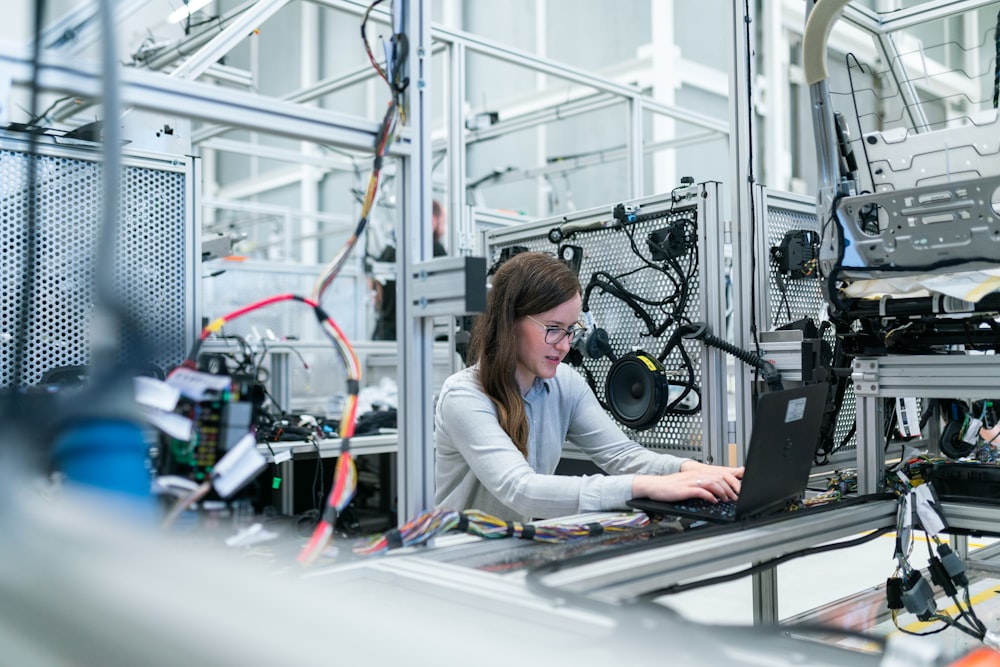
Clinical Demonstration & Workflow Insight
Automated STL intake nesting and sintering furnace temperature management.
Frequently Asked Questions (FAQs)
Q: What is the advantage of 5-axis milling over 4-axis milling?
5-axis milling allows the spindle to tilt dynamically, enabling precise milling of complex undercuts, implant bridge angles, and deep anatomy.
Q: How does iDentist.Live track STL file intake?
iDentist.Live links digital STL files directly to FDI tooth work orders, enabling instant CAD technician assignment.